
Halo Games timeline is a mess. A beautiful, chaotic mess of ancient aliens, super-soldiers, and enough military jargon to fill a dictionary.
If you just pick up the Master Chief Collection and hit “play,” you might be confused why the game from 2010 looks better than the one from 2001, or why everyone is suddenly sad about a planet called “Reach.”
The release order is how we all played them back in the day, but if you want the full emotional gut-punch of Master Chief’s story, you need to play them chronologically. Here is how to tackle the saga without getting lost.
The Chronological Order Halo Games
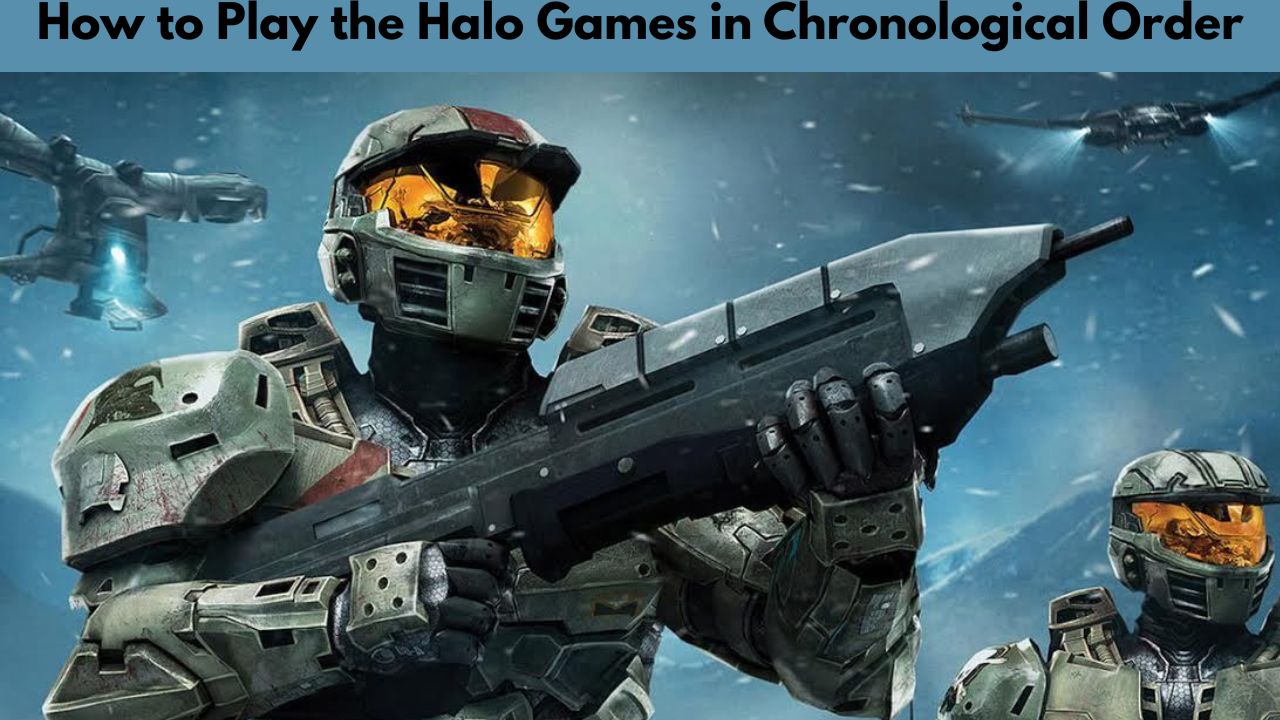
1. Halo Wars
The Prequel Strategy Game Chronologically, this is where it starts. It’s 2531, twenty years before the main games. You aren’t playing as a Spartan on the ground; you’re commanding armies.
- Is it essential? Honestly? You can skip it if you hate RTS games. But, it introduces The Banished (the bad guys in Halo Infinite), so watching the cutscenes on YouTube is a smart move.
2. Halo: Reach
The Tragic Beginning This is where you should actually start. It’s a direct prequel to the first game, and it sets the stakes. You play as Noble Team, a squad of Spartans fighting a losing battle.
- Why play it first: It ends seconds before Halo: Combat Evolved begins. The transition is seamless. Plus, going from the tragedy of Reach into the heroism of Master Chief just feels right.
3. Halo: Combat Evolved
The Classic The game that changed everything. You crash land on a Halo ring, meet the Flood (still terrifying), and blow things up.
- Warning: If you play Reach first, Combat Evolved is going to feel a bit clunky. You lose your sprint button and jetpacks. Just push through it—the level design is legendary for a reason.
4. Halo 2
The Game That Broke the Mold This picks up right after the first game. The brilliance here is the split perspective. You aren’t just the Chief; you play as the Arbiter, seeing the war from the alien side. It turns the Covenant from generic “bad guys” into a complex society with politics and civil wars.
5. Halo 3: ODST
The Noir Side-Story Play this during or right after Halo 2. While Chief is off doing hero stuff in space, ODST drops you into the ruined city of New Mombasa as a regular human soldier. It’s moody, it’s got a jazz soundtrack, and you feel vulnerable because you aren’t a super-soldier. It’s a cult classic for a reason.
6. Halo 3
The “Finish the Fight” One This is the big finale of the original trilogy. It’s bombastic and loud. If you’ve played everything in order up to this point, the final mission—the Warthog run—hits incredibly hard.
7. Halo 4
The Emotional Pivot There’s a 4-year time jump here. This is where 343 Industries took over from Bungie. The art style changes, and the story gets way more personal. It stops being about “saving the world” and starts being about saving Cortana, who is breaking down. It’s divisive among fans, but the story beats are solid.
8. Halo 5: Guardians
The Weird One Look, I’ll be real with you—this is the black sheep. The marketing promised a “Chief vs. Locke” manhunt that didn’t really deliver. You spend most of the game playing as Spartan Locke, not Chief. It’s crucial for the lore (especially the AI uprising stuff), but don’t expect it to be your favorite campaign.
9. Halo Wars 2
The Setup for Infinite We’re back to strategy gameplay. This brings back the crew from the first Halo Wars and pits them against Atriox. It basically does all the heavy lifting to set up the story for Halo Infinite.
10. Halo Infinite
The “Soft Reboot” After the confusing plot of Halo 5, Infinite tries to simplify things. It drops you onto a new ring (Zeta Halo) with a grappling hook and an open world. It feels like Combat Evolved but with modern tech. It’s just you, a new AI, and a lot of Banished to shoot.
Should You Play by Release Order Instead?
If you care more about gameplay evolution than story, do release order:
- Halo: CE (2001) -> Halo 2 (2004) -> Halo 3 (2007) -> Halo Wars (2009) -> ODST (2009) -> Reach (2010) -> Halo 4 (2012) -> Halo 5 (2015) -> Infinite (2021).
My take: Release order is better if you can’t handle going from the modern graphics of Reach back to the 2001 polygons of Combat Evolved. But if you want the movie-like experience? Stick to the chronological list above.